
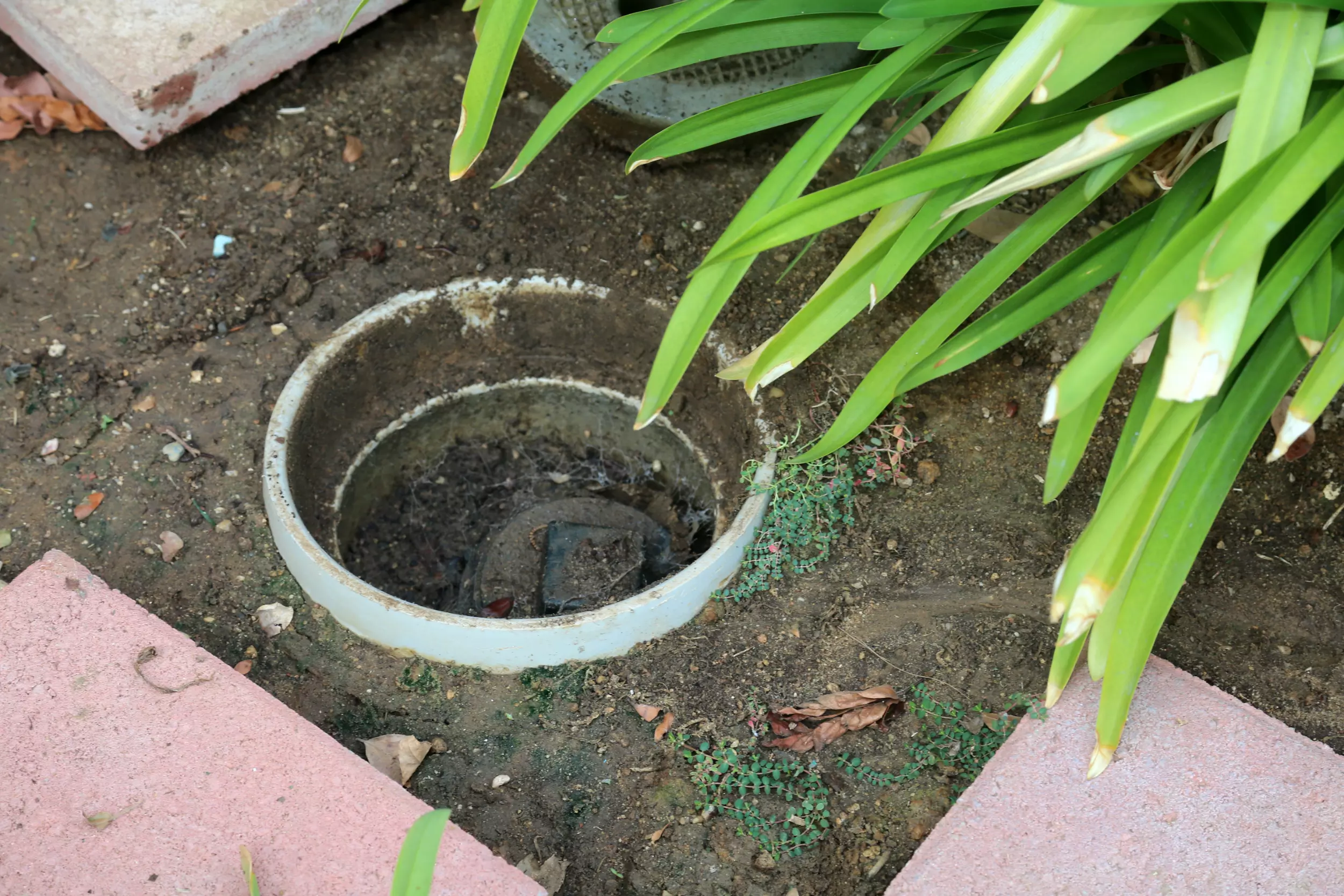
Does Home Insurance Cover Blocked Drains? One of the most common home improvement projects is the repair of plumbing fixtures. Indeed, it does not matter how well-maintained home is; it will still face problems with its plumbing systems.
Blocked Drains and House Insurance
Blocked drains can be messy, stressful, and costly. This guide explains what is often covered by house insurance, what is not included, and what to check before you make a claim.
Are Blocked Drains Covered By House Insurance?
Blocked drains are a common problem in many homes. They can cause bad smells, slow water flow, and even serious damage to your property if water backs up. People often ask if home insurance covers this kind of issue, but the answer depends on your insurance policy and what caused the blockage.
Many insurance policies can offer cover for some types of damage caused by blocked drains, especially when it is sudden and unexpected. In other cases, the cost may not be included if the problem is linked to wear and tear or poor upkeep. It is always worth checking the wording in your policy documents, because cover can differ between providers and between standard and upgraded policies.

What Home Insurance Covers and What It Often Does Not
Home insurance covers some plumbing and drainage problems, but it usually focuses on damage caused, not the general repair of old parts. For example, if a blocked drain causes water to escape and damage floors, walls, or furniture, your insurance covers may help with a claim for that damage caused.
However, many insurers do not pay for clearing blockages that build up over time. If the insurer decides the blockage happened due to wear and tear, lack of maintenance, or long-term issues, they may refuse to pay. This is why it helps to keep up with routine checks, and to deal with small drainage problems before they turn into bigger problems.
Burst Pipes and Accidental Damage
Most home insurance policies will cover burst pipes because they are often treated as accidental damage. Pipes are usually hidden and protected, so a sudden burst is not always linked to careless actions by the homeowner.
That said, insurers may not offer cover if the pipes were already in poor condition. If corrosion, age, or known faults were ignored, the insurer might class it as wear and tear. In that case, you may have to pay the cost yourself. If you live in an older home, it is a good idea to check pipework from time to time, because small leaks can become larger problems.

Leaks, Wear and Tear, and Slow-Building Problems
Leaks are one of the most common plumbing issues. Many leaks happen slowly, and they may start because of worn seals, ageing joints, or corrosion. Because this kind of damage often links to wear and tear, many insurance policies do not cover the pipe repairs.
Some policies may cover the damage caused by a leak, such as ruined plaster or damaged flooring, but not the work needed to repair the leaking pipe itself. Insurers often expect homeowners to spot problems within a reasonable time. If a leak has been running for a long time, they may say it should have been found earlier during routine checks.
Blocked Sewer Pipes and Drainage Emergencies
A blocked sewer pipe can be more than an inconvenience. It can become a health risk if waste water flows back into the home.
Because this can happen suddenly and needs urgent plumbing help, some home insurance covers blocked sewer pipes, especially when the blockage is unexpected.
Even then, the insurer may ask for proof about the cause. If the blockage was caused by items that should never go down the drain, such as wet wipes, fat, or other waste, they may say it was avoidable.
If tree roots, broken underground pipes, or a sudden collapse caused the blockage, you may be able to claim, depending on your insurance policy.

Underground Pipes, Access, and Who Is Responsible?
Many people are unsure who is responsible for underground pipes and drains. In general, you are responsible for the drains and pipes within your property boundary, up to the point where they connect to the shared sewer. Past that point, the local water company is usually responsible for the wider sewer network and water supply connections.
This matters because insurance policies may only cover pipes that you are responsible for. If you need repairs to drains under your garden or driveway, access can be difficult and the cost can rise quickly. Some policies include cover for finding the source of the problem, digging, and putting things back, but others do not. Always check what is included in your policy, and whether there are limits on how much the insurer will pay.
Pitch-Fibre Pipes and Older Pipework
Some older homes still have pitch-fibre pipes. These were used in the 1950s and early 1960s and can change shape over time. This can lead to blockages, leaks, and collapse. Because these pipes are known to fail, insurers may treat them as a higher risk, and they might not offer cover for damage linked to them.
If you suspect your home has pitch-fibre pipes, it is worth getting information from a trusted plumbing or drainage specialist. Replacing old pipework can be expensive, but it may reduce future problems and can help you avoid claim issues later.

Making a Claim For Blocked Drains
If you think you are able to claim for blocked drains, start by reading your policy carefully. Look for sections that mention drains, pipes, accidental damage, and exclusions for wear and tear. Some insurers list drainage cover under buildings insurance, while others treat it as an add-on.
If you need to contact your insurer, do it as soon as you can. Take clear photos of any damage, note the time and day the problem started, and keep receipts for any emergency work. If you arrange repairs before speaking to the insurer, keep the damaged parts if possible and ask the plumber to write down what they found and what caused the blockage.
Choosing a Drainage or Plumbing Company
If you need help with drainage problems, make sure the company you choose is properly qualified and insured.
It can help to choose a provider that is registered in England and has clear trading details on its website, including a registered office address and customer contact information.
If the work relates to insurance, your insurer may ask for a report, so it is sensible to use a firm that can provide written findings and evidence.
Always check whether the company is authorised and regulated if it offers any insurance-linked services, and whether it is regulated by the financial conduct authority where relevant. This can give you peace of mind and help avoid problems if you later need to make a claim.
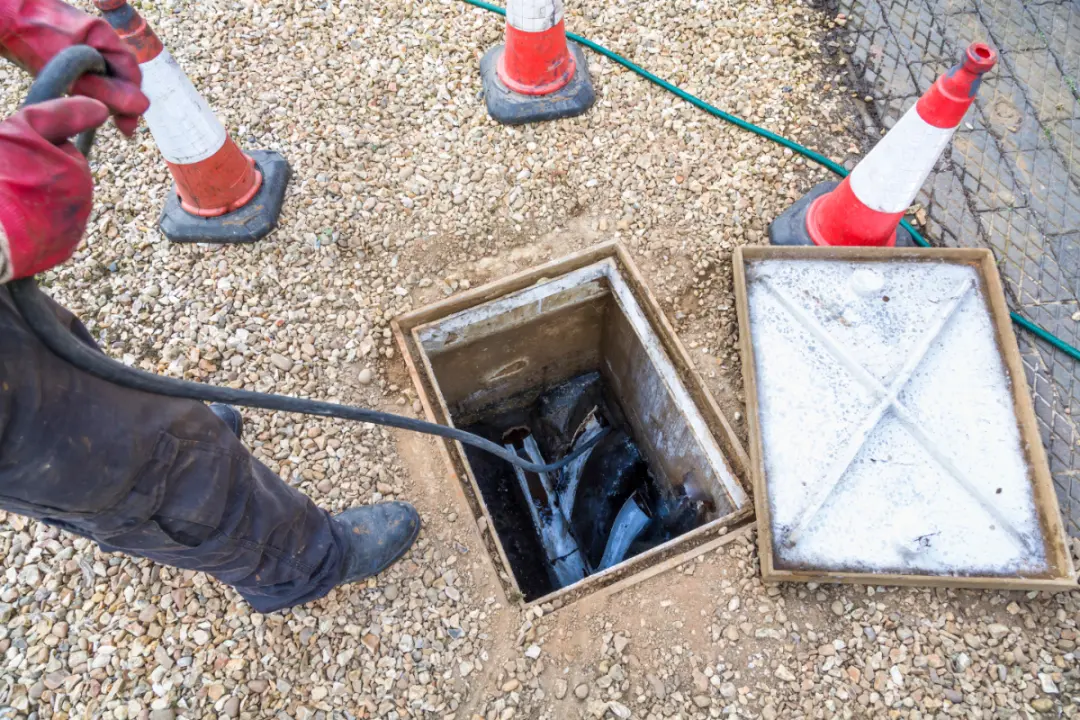
How To Reduce The Risk Of Blockages
Blocked drains are often preventable. Simple habits can make a big difference over time. Avoid putting fat, oil, food waste, and non-flushable items down sinks and toilets. If you notice slow drainage, gurgling sounds, or bad smells, treat it as an early warning and arrange a check before the blockage gets worse.
Regular maintenance can also help. Many drainage problems start small, and routine checks can find cracks, root entry, or build-up before it causes damage to your home. Keeping records of checks and repairs can also support you if you need to show your insurer that you have looked after your property.
Key Point To Remember
Whether home insurance covers blocked drains depends on the cause of the blockage and the wording of your insurance policy. Sudden, unexpected events are more likely to be covered, while wear and tear and long-term neglect are less likely to be included. If you are unsure, check your policy, keep good records, and contact your insurer early so you understand what your cover includes and what you may need to pay for yourself.
Do you require emergency help with blocked drains in Redcar, Darlington, Hartlepool or East Cleveland? Our drain unblocking services can quickly and effectively deal with your drainage problems.