

What Are Health Risks of Blocked Drains In Your Home? If sewage leaks at home, there may be potential hygiene risks owing to which you may need to take effective remedial action in no time. Here are a few of the health risks that are associated with sewage leaks.
Health Risks of Blocked Drains
Sewage leaks and a blocked drain can happen with little warning. As well as the mess and stress, blocked drains can cause a wide range of health risks. When wastewater cannot move through the drainage system, it can back up into sinks, toilets, and even under floors. This can affect your home and property in a short time, and the result can be serious health concerns for everyone living there.
It is crucial to keep the plumbing system working properly. Clean, free-flowing drains help protect your water supply and reduce the chance of diseases. When blockages are left untreated, wastewater and stagnant water can build up. This creates health hazards because it becomes a breeding ground for bacteria, viruses, and pests. It can also cause unpleasant odours that spread through the air and into living areas.
Why Blocked Drains Are a Health Hazard
A blocked drain can lead to sewage spilling into places it should never be, such as kitchens, bathrooms, and areas near walls and floors. If water sits still, it turns into standing water that can permeate surfaces and soak into gaps. This makes it harder to clean safely and can spread germs further around the home.
Many blockages start with common items that should not go down sinks or toilets. A build-up of grease, oil, hair, wet wipes, food scraps, and other debris can narrow pipes over the years. This causes problems such as slow drainage, bad smells, and leaks. Homeowners sometimes try to force water through, but that can make the blockage worse and increase the chance of damage.
Harmful Bacteria and Viruses In Sewage
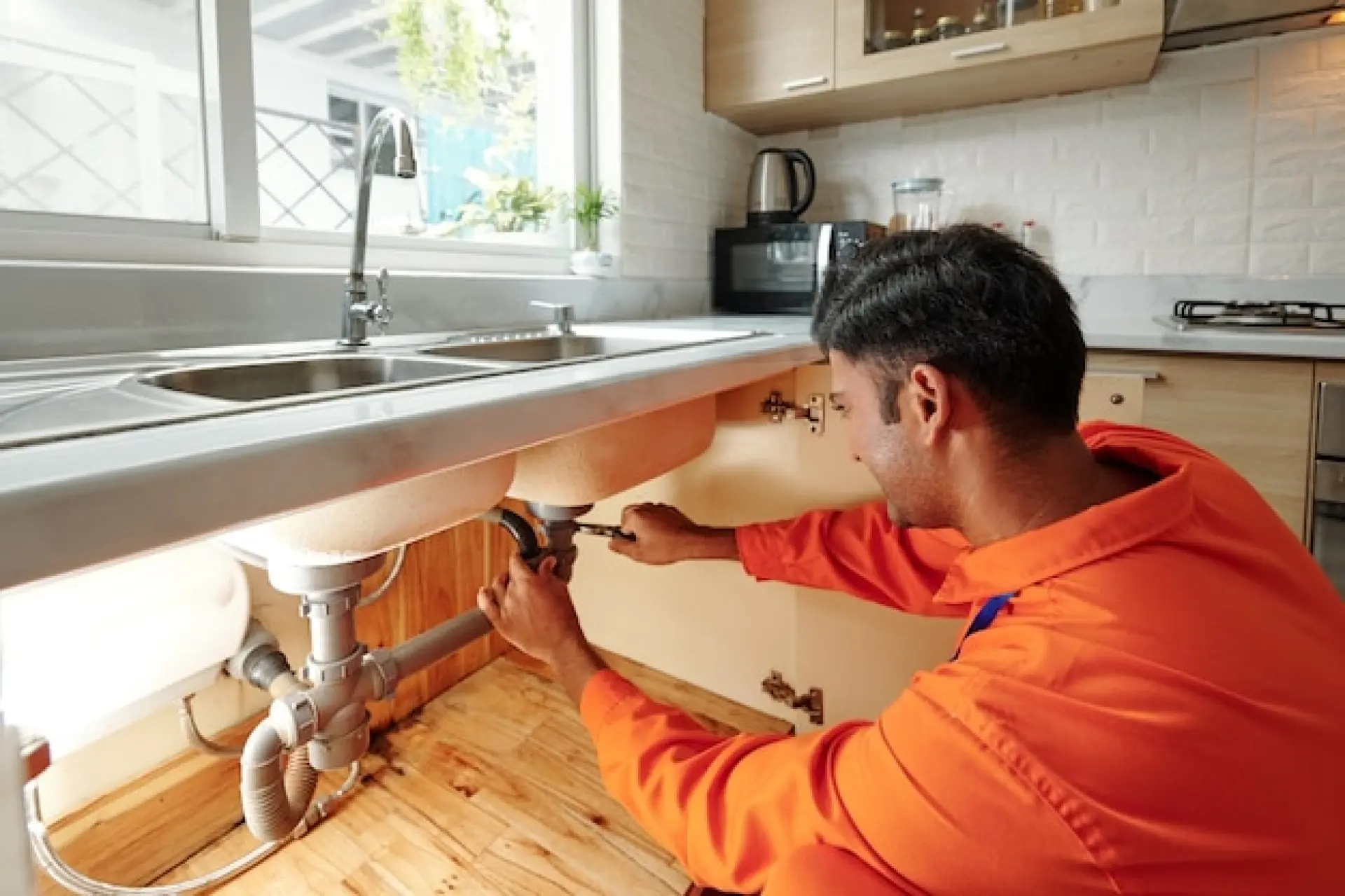
Sewage can contain harmful bacteria and viruses that cause health problems. One well-known example is e coli, which can spread through contact with contaminated water, splashes, or dirty surfaces. If you suspect sewage is present, avoid direct contact and keep children and pets away. Even a small leak under a sink or behind a toilet can be an issue if it is missed.
Germs from sewage can also become airborne in tiny droplets, especially when water is disturbed or when toilets are flushed in a home with a drain problem. This can affect breathing and may make existing conditions worse.
Breathing Problems, Allergies, and Asthma
A blocked drain is not only about water. Damp areas from leaks and flooding can encourage mould growth, which can trigger allergies and asthma. People may notice coughing, wheezing, tight chest, or feeling short of breath. Others may get sore eyes, itchy skin, or blocked sinuses. These effects can be stronger in children, older adults, and anyone with existing breathing conditions.
Bad smells are also a warning sign. Unpleasant odours can travel through the pipes and rise up through sinks and floor drains. Breathing in polluted air for long periods can lead to headaches and feeling generally unwell.
Stomach Illness and Other Symptoms To Watch For
Sewage exposure can cause stomach and bowel illness. People may experience nausea, diarrhoea, stomach cramps, and fever. These symptoms can show up after touching contaminated water, cleaning a spill without proper protection, or eating and drinking in a contaminated area. If illness is severe, or if symptoms last, it is important to seek medical advice.
Pests and Rats: An Often-Missed Risk
Blocked drains attract pests because they provide warmth, moisture, and food. Rats can enter through broken drains and damaged pipework, and they can carry diseases. Insects can also breed in damp areas around a blockage. Pests can quickly spread germs across surfaces, making the home harder to keep safe.

Structural Damage and Property Risks
Blocked drains can also create serious problems for your building. Water may seep into brickwork and plaster, leading to damp patches on walls and damage under floors. Over time, this can become structural damage and property damage. Repairing hidden leaks and damp can mean costly repairs, especially if the problem has been developing for years.
Flooding from toilets or sinks can ruin flooring, weaken wood, and damage electrical points. The longer it goes on, the more money it can take to put right. Acting early can save time and stress.
Common Causes of Blocked Drains
Many drain problems begin with what goes into the system. Grease, oil, and food waste can stick inside pipes. Hair can tangle and trap debris. Some items do not break down and should never be flushed or washed away. When people dispose of the wrong things, the build-up can create a blockage that stops water flowing as it should.
Outdoor drains can also block due to leaves, mud, or other debris, especially after heavy rain or flooding. Cold weather can make problems worse if water flow slows and trapped waste hardens.
What To Do If You Suspect a Blockage Today
If you notice slow-draining sinks, gurgling sounds, toilets rising higher than normal, foul smells, or damp patches, treat it as important information. Limit water use and keep children away from affected areas. If there is visible sewage, do not attempt to touch it with bare hands, and do not use the area until it has been cleaned properly.
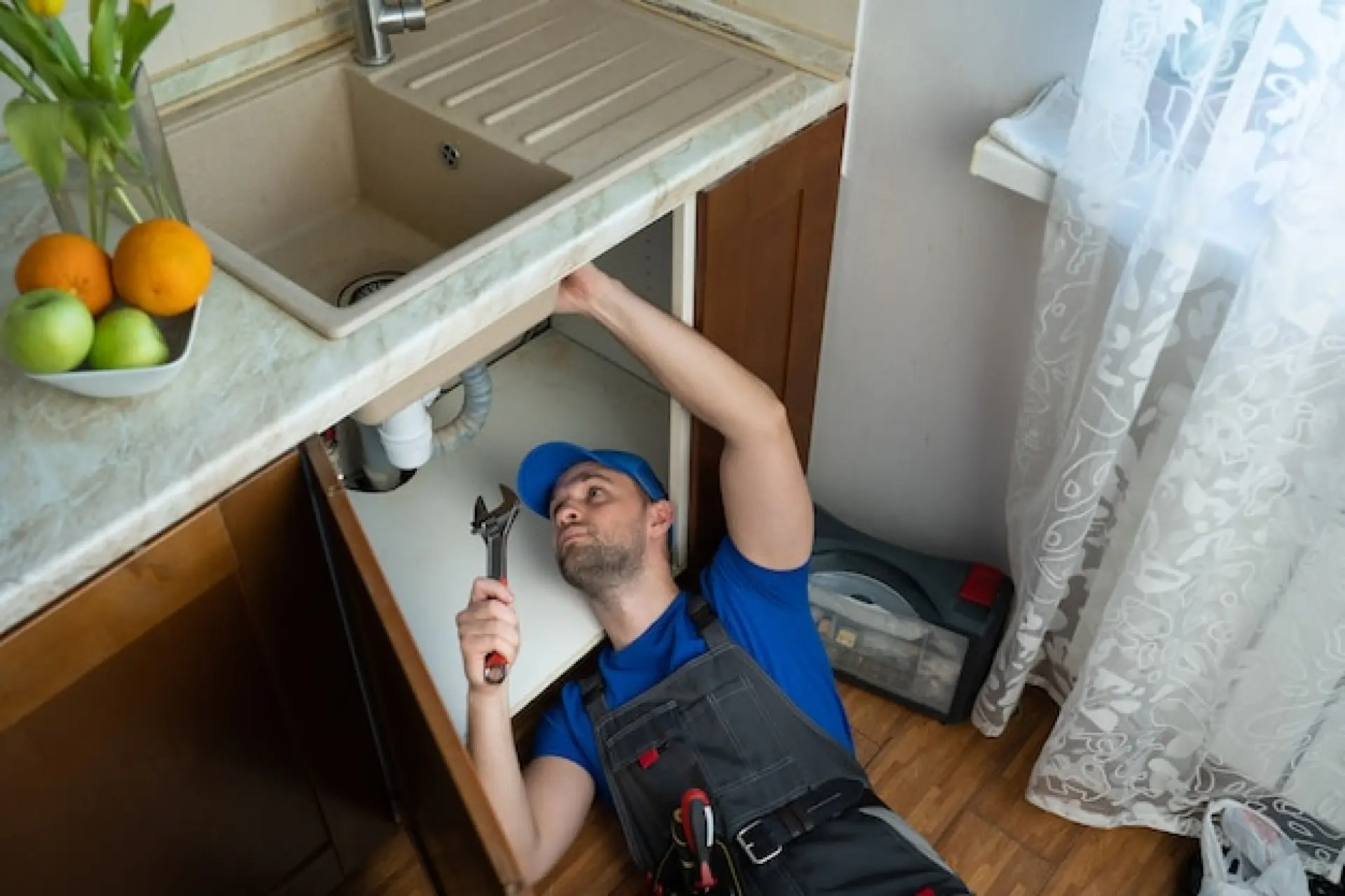
Because sewage can carry harmful germs, it is often safer to use trained experts who can clear the drain and check the wider drainage system. This also helps reduce the risk of further damage and repeat blockages.
Repairs, Safety, and Responsibilities
When sewage affects a home, it can raise questions about repairs and who is responsible, especially for shared drainage. In England, responsibilities can depend on whether the drain is private, shared, or part of a public sewer.
If you rent, your landlord may need to arrange repairs. If you own your home, you may need to take action yourself, or work with neighbours if the problem is shared. If you are unsure, ask for clear written guidance from the right service or a trusted professional. Knowing your rights can help you act quickly and avoid delays.
When To Get Urgent Help
When sewage affects a home, it can raise questions about repairs and who is responsible, especially for shared drainage. In england, responsibilities can depend on whether the drain is private, shared, or part of a public sewer. If you rent, your landlord may need to arrange repairs.
If you own your home, you may need to take action yourself, or work with neighbours if the problem is shared. If you are unsure, ask for clear written guidance from the right service or a trusted professional. Knowing your rights can help you act quickly and avoid delays.
Here are few diseases which can occur as an individual comes in contact with the sewage:
Typhoid
According to researchers, children tend to get more infected with typhoid, as compared to adults. The symptoms of diseases are inclusive of skin rashes on the stomach and chest, headache, sore throat, and constipation. The improper disposal of sewage happens to be one of the prime causes of typhoid.
Campylobacteriosis
Campylobacter, the bacteria primarily cause this infectious disease. Few of the symptoms of these diseases are inclusive of nausea, diarrhoea, fever, abdominal cramps, and fatigue.
If you handle the infected human or animal wastes and then drink any contaminated water, you are prone to developing the disease. According to the World Health Organisation (WHO), you should ensure to maintain the plumbing system at home in an efficient manner to properly dispose of the sewage and preserve the clean water supply.
Do you require emergency help with blocked drains in Redcar, Darlington, Hartlepool or East Cleveland? Our drain unblocking services can quickly and effectively deal with your drainage problems.